
Destiny 2’s annual expansions are more than just content drops—they are game-changers. With each expansion, Bungie introduces a wealth of new storylines, gameplay mechanics, weapons, and areas to explore, significantly impacting how players experience the game. These expansions help to keep the Destiny 2 universe fresh, constantly evolving, and engaging for both new players and veterans alike. In this article, we will take a closer look at how each year’s expansion has changed Destiny 2 and what players can expect from future expansions.
The Rise of the Darkness: Forsaken and Beyond Light
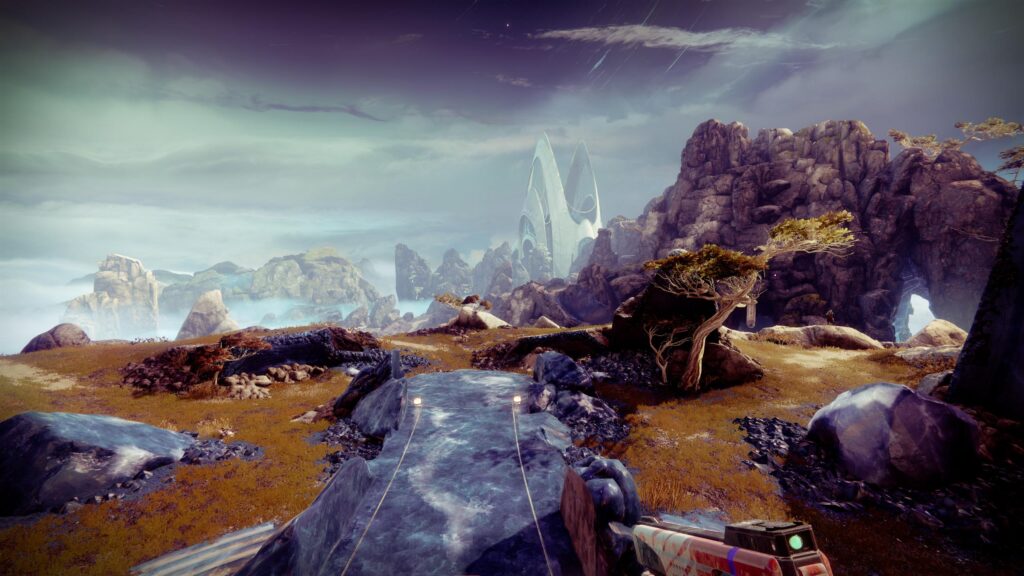
The *Forsaken* expansion (released in 2018) marked a significant shift in Destiny 2’s story and mechanics. Players were thrust into the aftermath of the tragic death of fan-favorite character Cayde-6, leading to a new storyline involving revenge, new enemies, and a darker tone. *Forsaken* introduced the *Dreaming City*, a breathtaking new area, as well as the *Raid* *Last Wish*, which became a fan favorite due to its challenging mechanics and intricate lore.
However, it was the introduction of the *Gambit* mode in *Forsaken* that truly changed Destiny 2’s gameplay. Gambit combined PvP and PvE elements, allowing players to face off against one another while also working together to complete objectives and defeat enemies. This hybrid mode quickly became a staple of Destiny 2’s endgame content, offering a unique and intense experience that blended the best of both worlds.
Then, *Beyond Light* (released in 2020) continued the game’s evolution with the introduction of the Darkness as a playable power. Guardians who wielded the Light could now harness the Darkness through the new *Stasis* subclass, which brought freezing abilities and new strategies to both PvP and PvE gameplay. The *Europa* destination, along with the *Deep Stone Crypt* raid, provided fresh challenges and added to the game’s rich lore surrounding the ancient conflict between Light and Darkness.
These expansions weren’t just about new gameplay—they fundamentally shifted the game’s narrative, introducing new antagonists, powers, and factions while deepening the mystery of the Traveler and the Darkness. Each expansion has kept the story moving forward while providing an exciting new way to play.
Expanding the Universe: Shadowkeep and Forsaken’s Influence
The *Shadowkeep* expansion (released in 2019) was another game-changing release for Destiny 2. Returning to the Moon, a familiar location from the original Destiny, players faced off against Eris Morn and her new enemies, the Hive. This expansion was notable for its continuation of the game’s story surrounding the *Vex*, *Hive*, and the mysterious Pyramid ships associated with the Darkness. The *Seasonal* content model was also introduced with *Shadowkeep*, making each season a more cohesive part of the larger narrative and ensuring that Destiny 2 felt more like a living world that evolved over time.
Shadowkeep expanded the game’s endgame by introducing the *Garden of Salvation* raid, which featured the Vex as the main antagonists and challenged players with a mix of puzzle-solving, combat mechanics, and strategic team play. With its intricate design and lore-rich setting, the *Garden of Salvation* raid pushed players to develop new strategies and offered some of the game’s most exciting rewards.
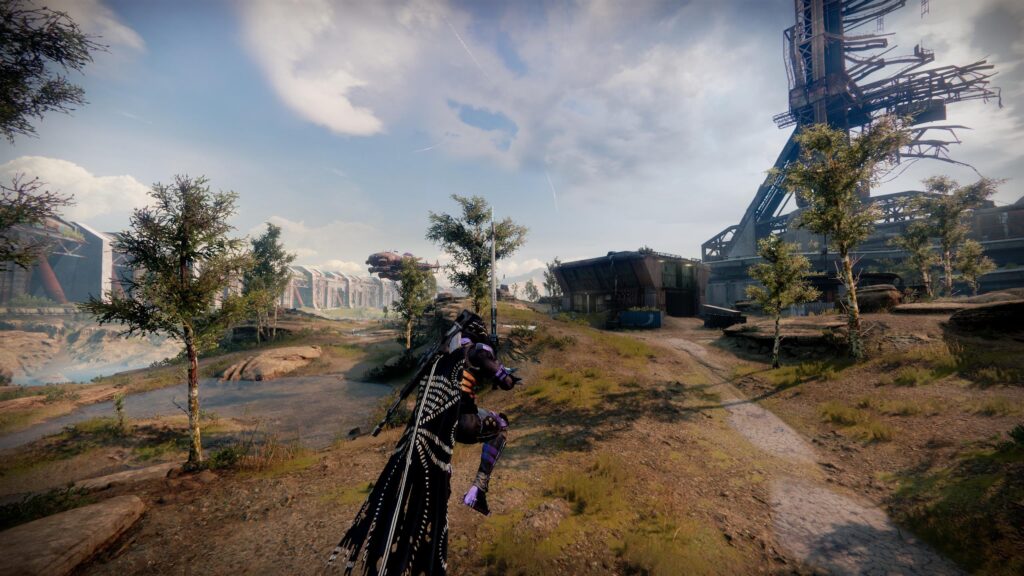
While Forsaken marked a darker chapter in Destiny 2’s story, *Shadowkeep* was about uncovering the secrets of the Hive and their ties to the Darkness. It brought a sense of mystery back to the universe while continuing to build on the franchise’s expansive lore, making it a standout expansion for long-time fans.
New Worlds and Powers: Witch Queen and The Future
One of the most anticipated expansions in Destiny 2’s history, *The Witch Queen* (released in 2022), delves deeper into the lore of the Hive and the Witch Queen, Savathûn. The expansion introduced a new raid, *Vow of the Disciple*, which was lauded for its innovative mechanics and lore-driven design. The *Throne World*, a dark and eerie new destination, provided players with a fresh setting filled with hidden secrets and hostile enemies, all tied to the Hive’s mysterious origins.
What truly set *The Witch Queen* apart, however, was the introduction of *Crafting*. For the first time, players could craft and personalize their weapons, making Destiny 2’s loot system more dynamic. This system allowed players to shape their weaponry by selecting perks and customizing stats, giving them greater control over their gear and the ability to tailor their loadouts for specific activities.
The addition of the *Lucent Brood* and the *Light-wielding Hive* was another significant shift in gameplay, as these new enemies could wield the Light against players. This unique twist on the Light/Darkness theme brought a fresh dynamic to the game, challenging players to adapt to new enemy tactics and abilities. The narrative arc in *The Witch Queen* also set the stage for future storylines surrounding the Traveler and the looming threat of the Pyramid ships.
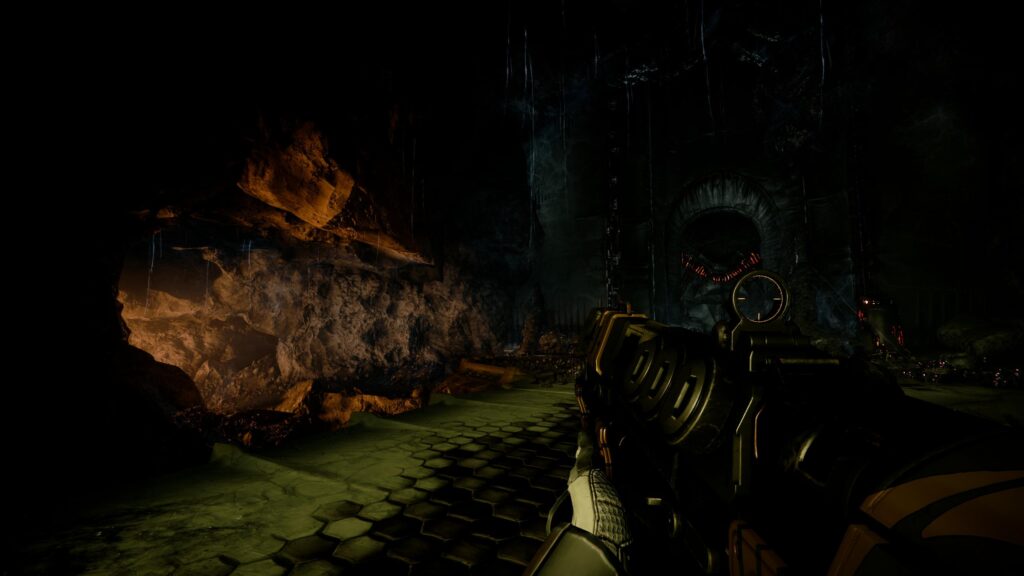
Looking ahead, *The Lightfall* expansion, slated for release in 2023, promises even more transformative changes. The expansion will explore the final battles in the ongoing war between the Light and Darkness, bringing new powers, challenges, and lore to Destiny 2. Players can expect more personalization options for their Guardians, new raids, and an even deeper exploration of the game’s most intriguing mysteries. As Destiny 2 continues to grow, each expansion introduces fresh content, and each one continues to build on the game’s ongoing saga of Light, Darkness, and the Guardians who stand in the middle.
How Each Expansion Shifts the Destiny 2 Meta
Each expansion in Destiny 2 introduces shifts to the game’s meta, changing the way players approach combat, activities, and loot. Whether it’s the introduction of new subclasses, powerful weapons, or new mechanics like weapon crafting, expansions always bring significant changes to how the game feels and plays. For example, the introduction of *Stasis* in *Beyond Light* drastically changed the PvP landscape, as new powers and abilities led to a rebalancing of how players interacted in *Crucible* and PvE environments.
Similarly, the *Seasonal Content Model* introduced in *Shadowkeep* was a game-changer. It allowed Bungie to roll out content more consistently, keeping players engaged with new events, activities, and rewards on a regular basis. This model has become a staple of the game’s content structure, ensuring that each expansion is not just a one-off experience, but part of an ongoing narrative.
In terms of power balance, expansions like *The Witch Queen* and *Beyond Light* have introduced new gear, mods, and perks that significantly alter the gameplay experience. *Crafting* in *The Witch Queen* added another layer of complexity, allowing players to build their ideal loadouts, further pushing the boundaries of customization.

These shifts in the game’s mechanics, combined with new storylines and lore, are why each Destiny 2 expansion is such a pivotal moment in the game’s evolution. The game continues to grow, and each expansion plays a crucial role in shaping the future of Destiny 2.
Conclusion
Destiny 2’s annual expansions have played a vital role in the game’s ongoing evolution, bringing fresh content, new gameplay mechanics, and deepened lore to its ever-expanding universe. From *Forsaken* to *The Witch Queen* and beyond, these expansions have introduced exciting new challenges, rewards, and storylines, ensuring that Destiny 2 remains a dynamic and engaging experience for players. As the game continues to evolve, future expansions will undoubtedly continue to shape the Destiny 2 experience, offering new opportunities for players to explore, fight, and unravel the mysteries of the universe.





Leave a Reply